
Veneers
Custom-crafted porcelain or composite veneers bond to the front of your teeth to correct discoloration, chips, gaps, and misalignment — transforming your smile in just two to three visits.
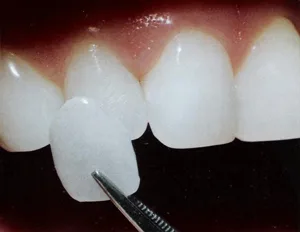
Dental veneers — sometimes called porcelain veneers or dental porcelain laminates — are wafer-thin, custom-made shells of tooth-colored material designed to cover the front surface of teeth to improve your appearance. These shells are bonded to the front of the teeth, changing their color, shape, size, or length.
Porcelain vs. composite veneers
Porcelain veneers resist stains better than composite veneers and better mimic the light-reflecting properties of natural teeth. They are the gold standard for cosmetic smile transformation.
Composite veneers are thinner and require removal of less tooth surface before placement. They can often be completed in a single appointment. Dr. Patel will help you determine the best material based on your goals, budget, and timeline.
What veneers can correct
- Teeth discolored from root canal treatment, tetracycline or other drugs, excessive fluoride, or large resin fillings
- Teeth that are worn down, chipped, or broken
- Teeth that are misaligned, uneven, or irregularly shaped
- Teeth with gaps between them
The veneer process
Getting veneers usually requires two to three appointments:
- Consultation: You explain the result you want to achieve. Dr. Patel examines your teeth, may take X-rays, and discusses the best approach.
- Preparation: A small amount of enamel is removed from the tooth surface to allow space for the veneer. An impression is taken and sent to the lab.
- Bonding: The finished veneer is placed, adjusted for fit and color, and permanently bonded.
One tooth or many teeth can be treated simultaneously. Contact our office to schedule a consultation and see what’s possible for your smile.
Frequently asked questions
How long do dental veneers last?
Porcelain veneers typically last ten to fifteen years or longer with proper care. Composite veneers are less durable but can last five to seven years. Regular dental check-ups, good oral hygiene, and avoiding habits like nail-biting or chewing hard objects help extend the life of veneers.
Are veneers permanent?
The process requires removing a small amount of enamel from the tooth surface (usually less than a millimeter) to make room for the veneer shell. Because enamel does not grow back, veneers are considered a permanent commitment — the tooth will always need to be protected by a veneer or other restoration.
What problems can veneers fix?
Veneers can address teeth that are discolored (from root canal treatment, tetracycline staining, excessive fluoride, or large resin fillings), worn down, chipped or broken, misaligned or uneven, or have gaps between them.
Ready to get started?
Call our Claremont office or request an appointment online — we welcome new patients.