
TMJ, Bruxism and Night Guards
Custom-fitted night guards, jaw splints, and TMJ therapy to protect your teeth from grinding, ease jaw soreness, and stop headaches — all in our Claremont Village office.
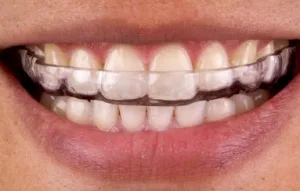
Do you clench your jaws or grind your teeth during times of stress? If so, you may have a condition called bruxism — and it often happens while you sleep.
Teeth grinding can be caused not just by stress and anxiety but by sleep disorders, an abnormal bite, or teeth that are missing or crooked.
Symptoms of teeth grinding
- Dull headaches
- Jaw soreness
- Teeth that are painful or loose
- Fractured teeth
If you are experiencing these symptoms, contact Dr. Patel. He can fit you with a custom night guard to protect your teeth during sleep, which will help prevent or reduce future restorative procedures.
Teeth grinding is also common in children. Because their teeth and jaws change and grow so quickly, it is usually not a damaging habit requiring treatment, and most children outgrow it by adolescence.
TMJ therapy
If you have been diagnosed with a temporomandibular joint (TMJ) disorder, Dr. Patel can evaluate your specific situation and recommend appropriate treatment. Our at-home TMJ care guide may offer some relief in the meantime. Contact our office if discomfort persists after trying these suggestions.
Frequently asked questions
What is bruxism?
Bruxism is a condition in which you clench or grind your teeth, often during sleep. It can be caused by stress, anxiety, sleep disorders, an abnormal bite, or missing/crooked teeth. Many people with bruxism are unaware of it until a dentist notices the signs.
What are the symptoms of teeth grinding?
Common symptoms include dull headaches, jaw soreness, teeth that are painful or loose, and fractured teeth. If you wake up with jaw pain or a headache, or if your partner has noticed grinding sounds during sleep, contact our office.
What is a TMJ disorder?
The temporomandibular joint (TMJ) connects your jaw to your skull. A TMJ disorder can cause pain or dysfunction in the jaw joint and the muscles that control jaw movement. Symptoms can include jaw pain, clicking or popping sounds, difficulty opening the mouth fully, and headaches.
Ready to get started?
Call our Claremont office or request an appointment online — we welcome new patients.